


February 21, 2025
Table of Contents When it comes to local search engine optimization, there's a hot debate: Is SEO worth it for local, service-based businesses? I...

The way people search is evolving. Instead of clicking through to a website, many users now find answers directly in Google's search results. How? The answer is zero-click searches, voice search optimization, and Answer Engine Optimization (AEO SEO).
So, how do you rank in Google's Local Pack, "People Also Ask" results, Featured Snippets, and other high-visibility search placements? By using a future-focused AEO strategy that ensures Google prioritizes your content—whether it's for traditional search, local results, rich snippets, or voice-driven queries.
The days of relying solely on clicks and organic traffic are changing. If you want your business to stay visible and competitive, you need to adapt to how search engines deliver answers. The good news? With the right strategy, you can own prime real estate on Google and drive more leads—even without a click.
Let's dive in.
A Featured Snippet is the boxed answer at the top of Google search results. Winning one means higher visibility, credibility, and a major SEO advantage.
But landing a Featured Snippet isn't just about luck—it's about structuring your content in a way that Google can easily extract and display. The goal is to answer questions in the most direct, digestible way possible so that Google recognizes your content as the best resource.
So, what does it take to secure a Featured Snippet? Here's how to optimize your content for maximum visibility:
Bad:
"Thermostats should be set between 68-72°F in winter, depending on your comfort level. You can adjust for energy savings."
Good:
What temperature should I set my thermostat in winter?
"The ideal thermostat setting in winter is 68°F when you're home and awake. Lowering it by 7-10°F at night can save energy."
The second version directly answers the question, making it more likely to win a Featured Snippet and rank for Google voice search SEO queries.
AEO, or Answer Engine Optimization, is the process of structuring content so search engines can extract and display your answers directly in search results.
Unlike traditional SEO, where success is measured by click-through rates, AEO ensures your brand owns key search result positions, even when users don't visit your site.
Think about the last time you searched for something on Google. Did you actually click on a website, or did you just read the answer right there in the search results? If you're like most users, you probably got what you needed without ever leaving the page.
That's the power of zero-click searches—and it's reshaping how businesses approach SEO. Instead of focusing solely on ranking for clicks, the new game is about getting your content chosen as the answer. This shift makes Answer Engine Optimization (AEO) more important than ever.
So, why should you care? Here's what makes AEO a game-changer for your online visibility:
AEO and voice search optimization services will define the future of search marketing. The question is: Will your business be the one Google chooses?
The good news is, you don't have to leave it to chance. By strategically optimizing your content, you can position your website to appear in the most valuable search result placements—where users are already looking for answers.
So, where should you start?
Let's break down the key strategies that will help you dominate zero-click searches and own the top spots in Google.
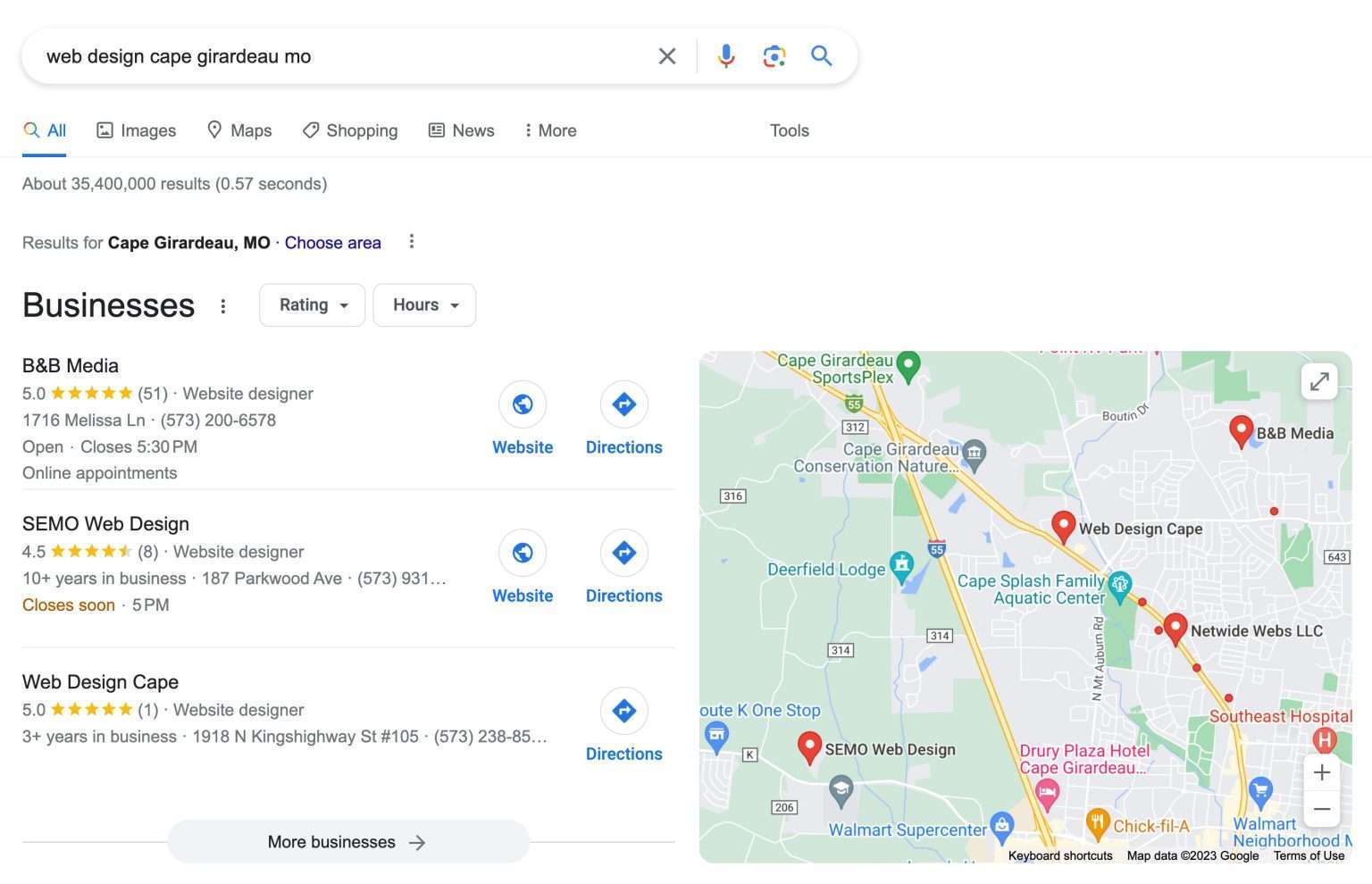
For businesses targeting local customers, ranking in the Google Local Pack is crucial. This section displays the top three businesses based on location, relevance, and authority, often appearing above organic search results.
Why does this matter? Because when people search for services near them—like "best plumber in [City]" or "coffee shop near me"—they rarely scroll past these top results. If your business isn't showing up here, you're losing potential leads to competitors who are.
The key to securing a top spot in the Local Pack isn't just about having a Google Business Profile—it's about optimizing it effectively and making sure Google sees your business as the best match.
Here's what you need to do to rank in the Google Local Pack:
Pro Tip: Reviews that contain keywords help your Local Pack ranking. Instead of just "Great service!", encourage customers to write:
"The best plumber in [City] fixed my leak fast!"
Optimizing for Google Business Profile SEO also supports voice search ranking, since many voice queries focus on local businesses. When users ask Alexa, Siri, or Google Assistant for recommendations—like "Where's the best pizza place near me?" or "Find a top-rated chiropractor in [City]"—Google pulls from well-optimized business listings and authoritative local content.
But local search isn't the only way to secure zero-click visibility. Another powerful feature that can put your content front and center in search results is Google's "People Also Ask" (PAA) section.
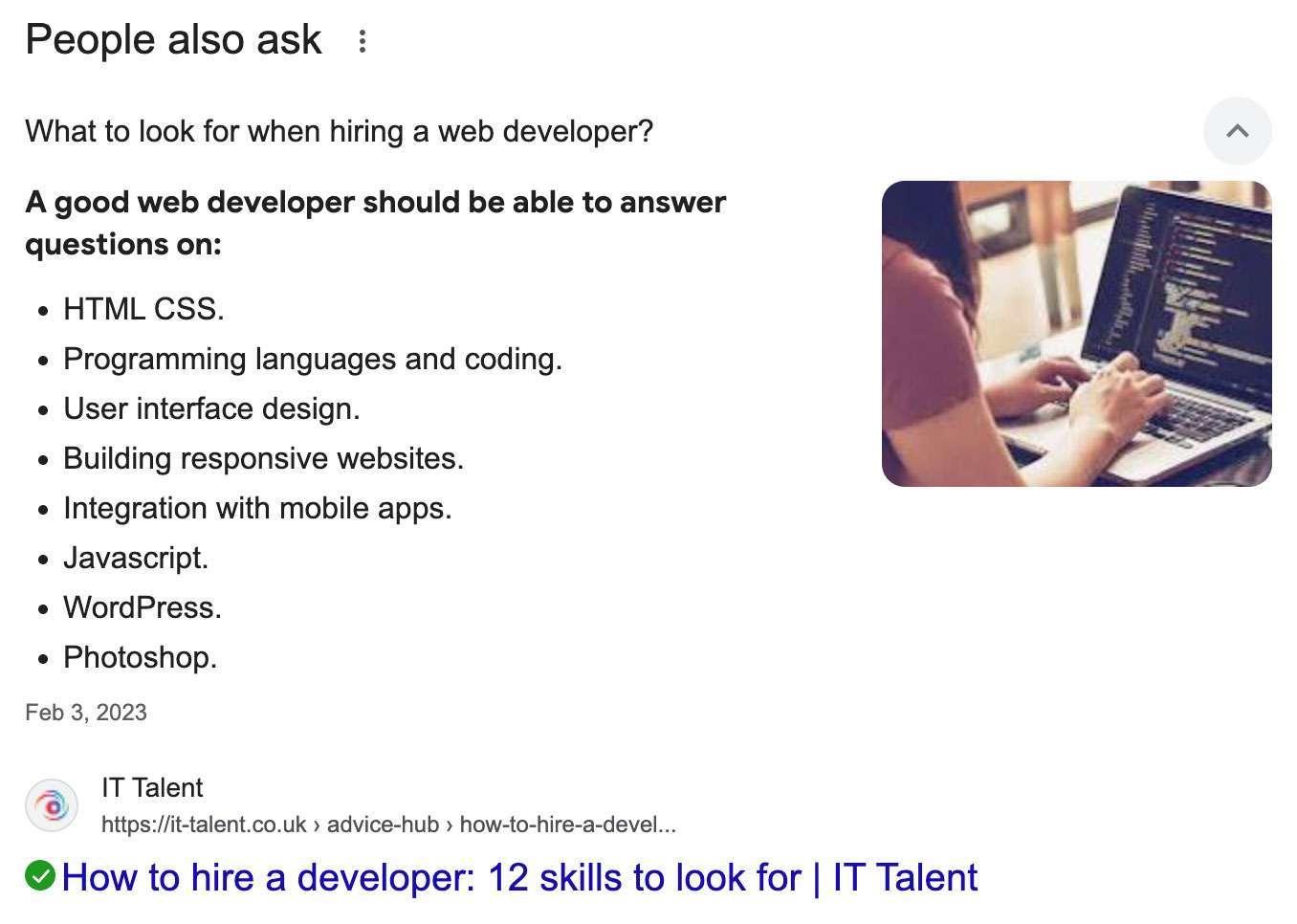
The People Also Ask (PAA) section in Google search results is a goldmine for zero-click traffic. These expandable question boxes provide quick answers to common queries, and each one links to a trusted source—which could be your website.
Appearing in PAA results not only boosts your visibility but also positions you as an authority in your industry. The best part? Every time a user clicks to expand a question, Google loads even more related questions, increasing the chances that your content will be seen and clicked on.
If you've ever searched for something on Google, chances are you've encountered a People Also Ask box without even realizing it.
Example: Imagine you're looking for a solution to a common household problem. You Google: "how to fix a leaky faucet", and here's what you see:
Each question links to a website, and if your content is optimized correctly, your page can be the one Google selects to provide the answer. This placement drives visibility, builds authority, and increases the chances of attracting more traffic—without relying on traditional clicks.
But here's where it gets even better: the People Also Ask (PAA) section constantly expands as users interact with it. Each time someone clicks on a question, Google dynamically loads more related questions, creating a chain reaction of endless discovery opportunities. This means getting featured in PAA can lead to multiple touchpoints where your content appears.
So, how do you structure your content to increase the likelihood of securing a People Also Ask spot? Follow these key steps:
PAA sections also impact voice search optimization, since many AI-driven assistants like Alexa, Siri, and Google Assistant pull answers directly from PAA results. This means that if your content ranks in PAA, it has a higher chance of being read aloud in response to voice queries, further expanding your reach beyond traditional search.
But PAA is just one piece of the puzzle when it comes to voice search ranking. As more users rely on hands-free search, businesses need to adapt their SEO strategies to align with how people naturally speak and ask questions.
This brings us to another critical factor in Answer Engine Optimization (AEO): voice search.
Want to improve your website's visibility on Google? Our SEO FAQ answers the most common questions about search engine optimization, rankings, keywords, and website performance. Whether you're looking to boost traffic, optimize content, or understand search engine result pages (SERPs), we've got you covered. Explore our SEO FAQ here.
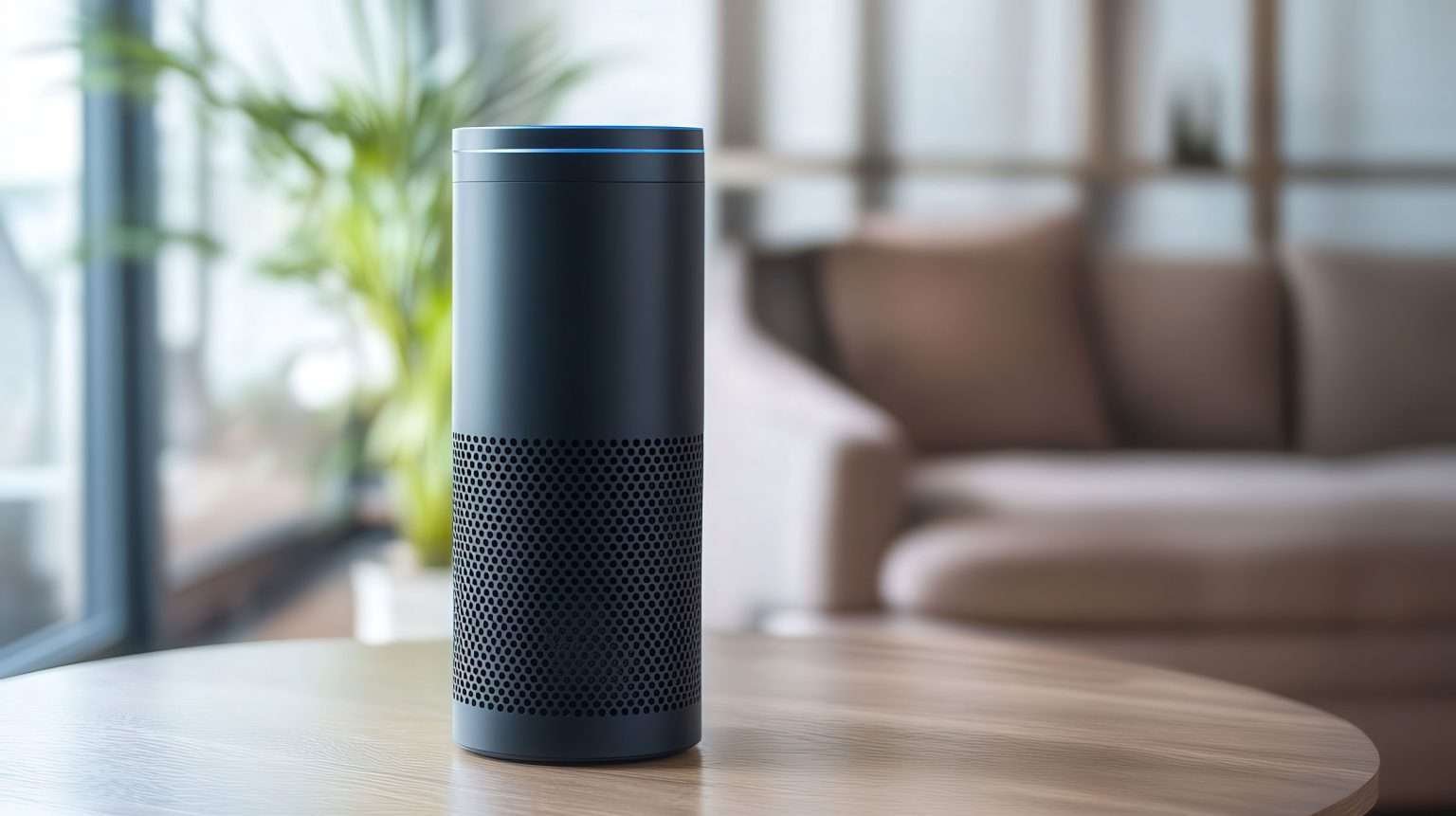
The future of voice search isn't coming—it's already here, and it's changing how people discover businesses, get recommendations, and find quick answers to their questions. With the rise of smart speakers, mobile assistants, and in-car voice search, more users are speaking their queries instead of typing them.
This shift means that traditional keyword-based SEO isn't enough. Instead, businesses must optimize for natural language queries, conversational search patterns, and AI-driven responses. When users ask their devices for local services, product recommendations, or quick facts, search engines pull the most relevant, structured, and well-optimized content to deliver instant answers.
To ensure your site is chosen for these results, you need a strong voice search SEO strategy that aligns with how people actually speak.
For example, when someone asks:
If you offer voice search optimization services, staying ahead in voice search marketing will be key to capturing high-intent users.
Google and other search engines don't just guess which content to display—they rely on structured data (Schema Markup) to better understand context, intent, and relevance. If you want to increase your chances of ranking in Featured Snippets, People Also Ask, and voice search results, adding structured data is a must.
Think of structured data as a roadmap for search engines, helping them categorize and surface the most relevant content. The more clearly Google can interpret your content, the higher the likelihood that it will select your page as the best answer for a search query.
By integrating structured data, you're giving search engines the exact information they need to rank and display your content more effectively. This not only increases your visibility in zero-click searches but also strengthens your voice search optimisation—helping you stay ahead in the future of search.
Absolutely. The way people search has fundamentally changed, and businesses that fail to adapt will miss out on valuable visibility and potential customers.
Instead of chasing clicks, the new game is about owning search real estate—ensuring that when someone searches for answers, your brand is the one providing them.
Here's how to future-proof your SEO strategy:
SEO isn't just about driving website traffic anymore—it's about owning the most valuable positions in search results and making sure your audience finds you first.
So, next time someone asks, "What is a zero-click search?", you won't just know the answer—you'll know how to use it to grow your business.
SEO isn't just about traffic anymore—it's about being the answer.
Have you noticed zero-click results affecting your website traffic? Let's talk in the comments!
Table of Contents When it comes to local search engine optimization, there's a hot debate: Is SEO worth it for local, service-based businesses? I...

Learn the key types of SEO—on-page, off-page, technical, local, AEO, and more—to improve your site's visibility and climb the search rankings.

Bold, Brilliant Websites